
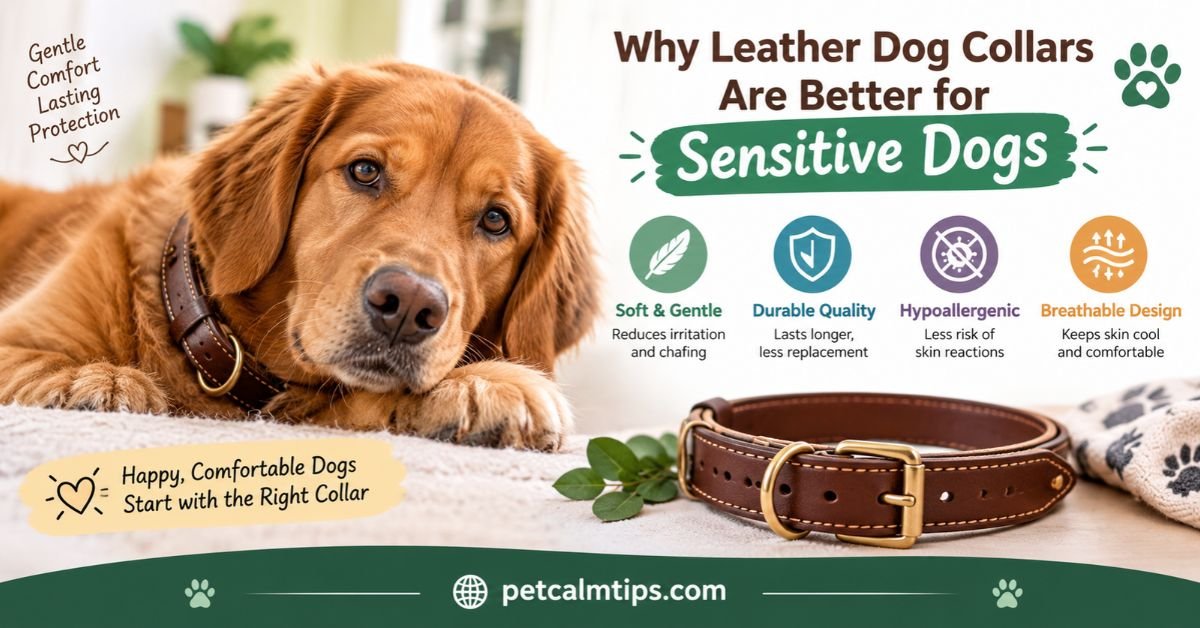
Why Leather Dog Collars Are Better for Sensitive Dogs: + Tips
Quick Answer
Quality leather dog collars suit sensitive dogs because the material softens with wear and molds to the neck. It breathes better than many synthetics and has smooth, rounded edges. Vegetable-tanned leather also avoids the harsh coatings found on some cheap collars. Results vary by dog watch your pet’s skin closely. A collar that fits properly matters as much as the material.
Table of Contents
- Quick Answer
- Why Sensitive Dogs React to Collars
- Cause 1: Rough Edges and Stiff Weave
- Cause 2: Trapped Moisture and Bacteria
- Cause 3: Dyes, Coatings, and Hardware
- What To Do At Home: 7 Steps
- Common Mistakes Owners Make
- When to Call Your Vet Immediately
- Conclusion
- FAQs
Why Sensitive Dogs React to Collars in the First Place
A dog’s neck skin is thinner than you’d think. Under a collar, it faces friction, heat, and moisture all day.
Sensitive dogs have a lower tolerance for all three. Short-coated breeds, dogs with allergies, and dogs with skin folds often show irritation first. You might see hair loss, redness, or constant scratching.
In my 12 years at a Texas shelter, I’ve seen the same pattern over and over. A dog arrives with a raw neck, and the culprit is often a cheap, stiff collar worn too tight for months.
The trouble usually comes from three places:
- Rough or sharp edges rubbing the skin
- Moisture and dirt trapped against the neck
- Dyes, coatings, or metal hardware that trigger a reaction
(Many owners blame food allergies first, which is a fair guess, but check the collar too.)
Here’s the thing: skin reactions have many possible causes, including fleas, environmental allergies, and infections. A collar change helps only when the collar is part of the problem. So think of leather as one smart piece of the puzzle, not a cure.
Cause 1: Rough Edges and Stiff Weave
Cheap nylon collars often have woven edges that feel like fine sandpaper. They look smooth. They aren’t.
Every head turn and every tug adds tiny friction. Over weeks, that friction can rub away hair and inflame the skin.
Good leather behaves differently. Better collars have beveled, burnished edges, meaning the maker rounds and polishes the sides so they don’t dig in. After a short break-in period, the strap flexes with your dog’s movement instead of fighting it.
Break-in matters. A brand-new leather collar can feel stiff for the first week or two. Many owners give up too early. Flexing the strap gently by hand before the first wear speeds things up.
Look for these signs of a skin-friendly leather collar:
- Smooth, rounded edges you can run a fingertip along comfortably
- Even thickness, with no rough cut spots
- Soft, supple feel after flexing
- Rolled leather for dogs with thick or long coats
Rolled leather collars are worth a mention. Their round shape reduces flat pressure points and helps prevent matting on fluffy breeds. For short-haired sensitive dogs, a flat, wide, well-finished strap spreads pressure better.
Cause 2: Trapped Moisture and Bacteria
Wet fur under a collar is a recipe for trouble. Swimming, rain, and baths all leave moisture against the skin.
Some synthetic materials hold that dampness and trap odor. The warm, damp spot can encourage bacteria and yeast, which can lead to itchy, smelly skin.
Natural leather breathes better in most situations. It also dries slowly and evenly when cared for properly, rather than staying clammy.
That said, I’d be doing you a disservice if I stopped there. Leather isn’t perfect with water. Repeated soaking can leave it stiff, cracked, or moldy. If your dog swims daily, leather needs extra care, or a different collar for water days.
A simple routine keeps leather safe:
- Wipe the collar with a damp cloth weekly
- Let it air dry away from direct heat
- Condition it lightly every few months with a pet-safe product
- Remove it at night if your dog’s skin is irritated
Many owners also like that leather develops less lingering odor than some fabrics. Still, any collar worn constantly will collect dirt, so rotating or cleaning matters. (An internal link here could point to your guide on cleaning a leather dog collar.)
Cause 3: Dyes, Coatings, and Hardware
This is the hidden one. Many owners never check it.
Not all leather is equal. Chrome-tanned leather uses metal salts and is sometimes heavily dyed or finished. Vegetable-tanned leather uses plant-based tannins and tends to have a simpler finish. Many people with sensitive dogs prefer it for that reason, though no tanning method guarantees a reaction-free collar.
Cheap “leather-look” collars are another problem. Bonded or coated leather, sometimes sold as “genuine leather,” can have a plastic-like surface that cracks and peels.
Hardware counts too. Some dogs react to nickel in cheap buckles and D-rings. If the irritation sits right where the metal touches skin, that’s a clue.
When shopping, look for:
| Feature | Better Choice for Sensitive Dogs |
|---|---|
| Tanning | Vegetable-tanned, when available |
| Dye | Undyed or lightly dyed |
| Finish | Natural, not plastic-coated |
| Hardware | Stainless steel or solid brass |
| Edges | Beveled and burnished |
Ask the seller direct questions about tanning and dyes. A trustworthy maker will answer clearly. If they dodge, that tells you something.
What To Do At Home Today: A 7-Step Plan
You don’t need to panic-buy anything tonight. Start here.
- Remove the current collar and check the neck for redness, sores, or hair loss.
- Take a photo of the skin so you can track changes honestly.
- Check the old collar for rough edges, damp spots, or worn coating.
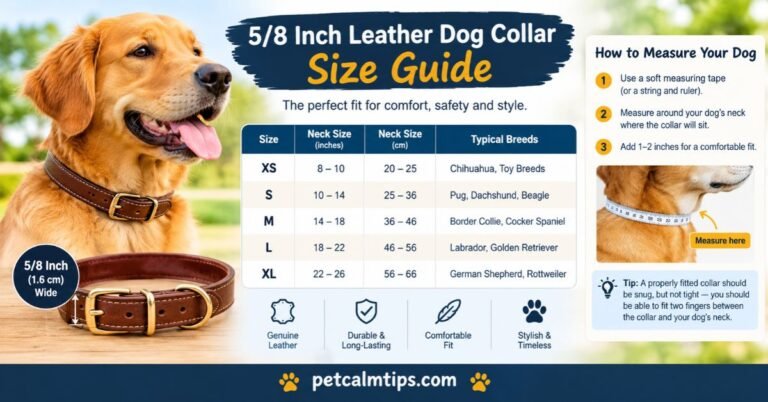
- Measure the neck with a soft tape. You should fit two fingers under the new collar.
- Choose a soft, vegetable-tanned leather collar with smooth edges and steel or brass hardware.
- Break it in by hand before wearing it, and start with short sessions.
- Recheck the skin daily for a week, then weekly.
Give your dog a collar-free rest at home. Many dogs don’t need to wear one indoors.
If the skin looks better in a week or two, you’ve likely found a helpful change. If it looks worse, stop and talk to your vet. [A link to your guide on measuring a dog’s neck would fit nicely under step 4.]
7 Common Mistakes Pet Owners Make
Good intentions can still backfire. Here are the slip-ups I see most.
Buying too tight. Owners fear the dog slipping out, so they cinch it. Tight collars cause rubbing, no matter the material.
Skipping the break-in. Stiff new leather can irritate, so don’t judge it on day one.
Picking the cheapest “genuine leather.” The label doesn’t promise quality. Check the tanning and finish.
Never cleaning it. Even the best collar gets grimy. Dirt turns into friction.
Leaving it on 24/7. Skin needs air. Take it off during sleep if you can do so safely.
Ignoring other causes. Fleas, seasonal allergies, and food reactions can mimic collar irritation. If a new collar doesn’t help, the collar probably wasn’t the whole story.
Using harsh cleaners. Soap with strong fragrance can leave residue on the leather and then on your dog’s neck.
When to Call Your Vet Immediately
Everything above is general advice. A collar swap is not a medical treatment, and some situations need a professional right away.
Call your vet promptly if you see:
- Open sores, bleeding, or oozing skin
- A foul smell from the neck area
- Swelling, heat, or obvious pain when touched
- Hair loss that keeps spreading
- Constant scratching that wakes your dog at night
- Hives, facial swelling, or trouble breathing after contact with something new (treat this as an emergency)
Also call if the irritation doesn’t improve within a couple of weeks of changing the collar. Skin infections and allergies need proper diagnosis and treatment. (Waiting rarely helps.)
Your vet can check for infection, parasites, and allergies, and recommend a treatment that fits your dog.
Conclusion
Sensitive dogs struggle with friction, trapped moisture, and harsh finishes. That’s exactly where a well-made leather collar shines. Why leather dog collars are better for sensitive dogs comes down to softness after break-in, breathability, smooth edges, and simpler finishes in vegetable-tanned options.
You don’t have to get everything perfect. Choose soft leather, check the fit with two fingers, and watch the skin for a week.
Your next step is simple: measure your dog’s neck tonight and look for a vegetable-tanned collar with beveled edges. You’re clearly a caring owner, and your dog is lucky to have you.
Explore More Expert-Reviewed Pet Care Guides: 5/8 Inch Leather Dog Collar Size Guide
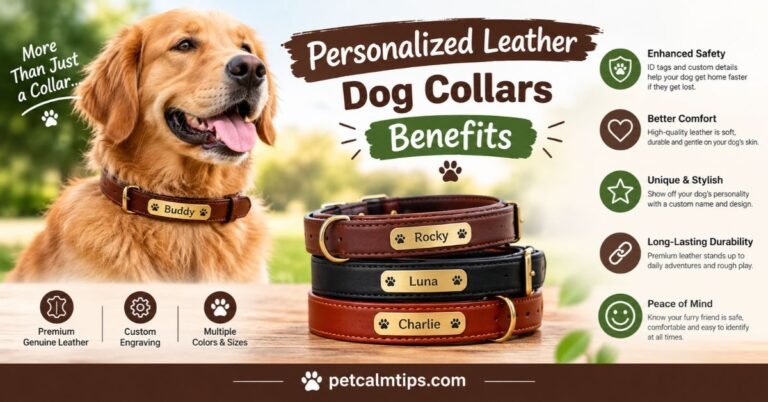
Personalized Leather Dog Collars Benefits
FAQs
1: Are leather collars good for dogs with sensitive skin?
Often, yes. Soft, vegetable-tanned leather with smooth edges tends to cause less friction than stiff synthetics. It isn’t guaranteed, since every dog reacts differently. Watch the skin for a week or two after switching, and stop if irritation appears.
2: Which type of leather is safest for sensitive dogs?
Many owners choose vegetable-tanned leather because it uses plant-based tannins and usually has a simpler finish. Avoid heavily dyed, plastic-coated, or bonded leather. Ask the seller about tanning and dyes. If they can’t say, pick another collar.
3: How long does a leather collar take to soften?
Most collars loosen up within one to two weeks of regular wear. You can speed this up by gently flexing the strap by hand before the first use. Start with short sessions so your dog adjusts comfortably.
4: Can my dog wear a leather collar in the rain or while swimming?
Occasional dampness is fine if you dry it afterward. Constant soaking can crack or stiffen leather and encourage mold. If your dog swims often, keep a separate water-friendly collar and save leather for everyday wear.
5: How tight should a leather collar be?
You should fit two fingers snugly between the collar and your dog’s neck. Tighter can rub the skin and cause irritation. Looser can slip over the head, so check the fit weekly, especially for growing puppies or dogs whose coats change with the seasons.
6: Should my dog sleep with a collar on?
Not necessarily. Skin needs air, especially if it’s already irritated. Removing the collar at night is a simple way to give the neck a break. Just make sure your dog still has proper ID when outdoors.

2 Comments