

Why Does My Dog Chew His Nails? What It Means & What to Do
Quick Answer
Dogs chew their nails for several reasons: overgrown or snagged nails, itchy skin from allergies or infection, pain or injury, and stress or boredom. Occasional nibbling is usually normal grooming. Persistent chewing, bleeding, limping, swelling, redness, or a bad smell can point to a medical problem, so see your vet. Because many causes look alike, a veterinarian is the only one who can tell what’s behind it.
Table of Contents
- Is It Normal for a Dog to Chew His Nails?
- Why Does My Dog Chew His Nails? The Most Common Causes
- Why Does My Dog Chew His Nails at Night?
- Why Does My Dog Chew His Nails Off?
- How to Figure Out What’s Going On
- What You Can Do at Home
- 6 Common Mistakes Owners Make
- When to Call Your Vet
- Preventing Nail Chewing
- Conclusion
- FAQs
Is It Normal for a Dog to Chew His Nails?
Some chewing is ordinary. Dogs use their teeth to groom, and many will nibble a nail that feels too long, rough, or caught on something. A quick chew after a muddy walk or a nail trim isn’t a cause for alarm.
What isn’t ordinary is chewing that happens daily, lasts several minutes at a time, or comes with other signs. Think redness between the toes, licking, limping, rust-colored fur around the paws, or a change in how the nails look. Those patterns suggest your dog is responding to discomfort rather than just tidying up.
Pay attention to how often it happens, when it happens, and whether it’s getting worse. Those three details will help you and your vet later.
Why Does My Dog Chew His Nails? The Most Common Causes
1: Nails That Are Too Long or Snagged
Long nails can catch on carpet, grass, or flooring, and a nail that’s cracked or splitting can be uncomfortable. Dogs often try to fix this themselves by chewing. If you can hear your dog’s nails clicking on hard floors, they’re likely overdue for a trim.
A nail that has partly torn or split can be painful. Dogs may chew at it, favor that paw, or pull away when you touch it.
2: Allergies and Itchy Paws
Allergies are one of the most common reasons dogs chew and lick their feet. Environmental triggers such as pollen, dust mites, and grasses can inflame the skin, and some dogs react to ingredients in their food. Paws are a frequent target because they come into direct contact with allergens outdoors.
Clues include seasonal flare-ups, itching elsewhere (ears, belly, armpits), and recurring ear infections. Your dog may seem to be going after the nails when he’s really trying to relieve itchy skin around them.
3: Skin Infections (Yeast and Bacteria)
Constant licking and chewing keeps the skin damp, which creates an ideal setting for yeast and bacteria. Infections cause more itching, which causes more chewing. It becomes a cycle.
Signs can include redness, a musty or “corn chip” smell, greasy or dark skin, discharge, and reddish-brown staining on the fur from saliva. The skin between the toes and around the nail folds is often affected. These infections generally need veterinary treatment, and addressing the underlying trigger, such as allergies, matters too.
4: Pain, Injury, or Nail Bed Problems
Dogs may chew at a toe or nail because it hurts. Possible sources include a broken nail, a foreign object like a splinter or grass seed, an infection in the nail bed, a cyst between the toes, or joint discomfort in the paw. Some dogs with arthritis lick or chew their feet in response to ongoing pain.
Less common conditions can also change the nails themselves. If nails look brittle, misshapen, or are falling off, your vet may want to investigate beyond the usual causes. An exam is the safest way to sort this out.
5: Parasites
Fleas, mites, and other parasites can make the skin itchy. Mites that cause mange are one example. Flea allergy dermatitis can make a dog intensely itchy even from a few bites. If your dog is chewing in several places, ask your vet about parasite checks and prevention.
6: Anxiety, Stress, and Boredom
Not every case is physical. Some dogs chew their nails or paws when they’re anxious, understimulated, or trying to settle themselves. Changes at home, separation from family, loud noises, or too little exercise and mental stimulation can all play a role.
Behavior-driven chewing tends to show up at predictable times, such as when you leave, during storms, or when the house is quiet. It also happens without obvious redness or injury at first. Over time, though, repeated chewing can irritate the skin and turn a habit into a physical problem. Because stress-related chewing and medical causes can overlap, it’s wise to rule out health issues first.
7: Habit and Attention
Dogs learn quickly. If chewing his nails gets a reaction from you, even a scolding, he may repeat it. A long-standing habit can continue even after the original cause has resolved. This is more likely once medical issues and boredom have been addressed.
Why Does My Dog Chew His Nails at Night?
If your dog chews his nails at night, the cause is often one of a few things.
Fewer distractions. During the day, activity keeps your dog busy. At night, the house is quiet, and an itch or discomfort that was easy to ignore suddenly gets all of his attention.
Itch that worsens when resting. Allergic and infected skin can feel more irritating when a dog is lying still. Some dogs also have more noticeable symptoms after exposure to outdoor allergens during the evening walk.
Boredom or anxiety. A dog that hasn’t had enough exercise or mental stimulation may use chewing to burn off energy. Others become unsettled when the household goes to bed.
Pain that’s more noticeable when lying down. Older dogs with joint problems may lick or chew at their paws when trying to get comfortable.
If nighttime chewing keeps you awake, note when it starts, how long it lasts, and what your dog’s paws look like in the morning. Wiping paws after the last walk and increasing daytime exercise are reasonable first steps. Persistent chewing deserves a vet visit, because nights tend to be when an underlying itch or pain becomes obvious.
Why Does My Dog Chew His Nails Off?
When owners ask why a dog chews his nails off, they’re usually describing one of two situations. Either the dog is biting away the tips of the nails, or an entire nail seems to be coming off.
Chewing off the ends is often a response to nails that are too long or uncomfortable. In that case, keeping nails trimmed may be enough.
Losing a whole nail is different. It can happen after trauma, such as catching a nail on something, or if an infection in the nail bed is causing pain and the dog is trying to remove the source of it. A nail that’s partly detached or hanging can be painful and can bleed.
If a nail has been chewed off, check for bleeding, swelling, and signs of pain. Because the exposed tissue can become infected, it’s best to have your vet look at it, especially if your dog is limping or the area looks red or has discharge. Don’t try to pull off a loose nail yourself.
If your dog repeatedly loses nails, ask your vet about testing, as some medical conditions can affect nail health.
How to Figure Out What’s Going On
You can’t diagnose your dog at home, but careful observation gives your vet useful information.
Check the nails. Are they long, cracked, split, or discolored? Is one nail the focus, or all of them?
Look at the skin. Part the fur and check between the toes and around the nail bases. Look for redness, swelling, moisture, discharge, or dark staining.
Smell the paws. A strong yeasty or sour smell can suggest infection.
Watch the pattern. Does it happen seasonally, after walks, when you’re away, or mostly at night? Is your dog also scratching his ears, belly, or face?
Look for limping or sensitivity. Pulling away when you touch a paw can signal pain.
A short note or phone video of the behavior can help your vet, especially if the chewing doesn’t happen during the appointment.
What You Can Do at Home
These steps are general care and aren’t a substitute for veterinary treatment.
- Trim the nails. Aim for nails that don’t click loudly on hard floors. If you’re unsure how short to go or your dog dislikes trims, ask your groomer or vet to demonstrate.
- Inspect the paws daily. A quick look after walks helps you catch splinters, burrs, or irritation early.
- Wipe the paws after outdoor time. Plain water and a clean towel can remove pollen and debris. Dry between the toes thoroughly, because lingering moisture encourages yeast.
- Increase exercise and enrichment. Add walks, sniffing time, puzzle feeders, or chew toys approved for your dog’s size.
- Redirect gently. Offer a toy or a short training exercise when chewing starts, and reward calm behavior.
- Keep a log. Record when it happens, how long it lasts, and any changes in the paws.
- Book a vet visit if it continues. If the chewing goes on for more than a few days or you see skin changes, get the paws examined. If your vet recommends a protective cone or soft recovery collar to stop damage while the skin heals, follow their guidance.
Skip home treatments you’ve found online unless your vet approves them. Some products that are safe for people are not safe for dogs, especially if the dog licks them off.
6 Common Mistakes Owners Make
1: Scolding the dog. Punishment can increase stress, and stress can make chewing worse. It also may teach your dog to hide the behavior.
2: Assuming it’s only a habit. Many dogs that seem to be chewing out of boredom are actually itchy or in pain.
3: Using human products on paws. Creams, ointments, and antiseptics meant for people can be harmful if swallowed. Ask your vet before applying anything.
4: Waiting too long. Constant chewing can break the skin and set up infection. Early treatment is usually simpler than treating an established problem.
5: Skipping nail trims. Overgrown nails are an easy-to-fix cause that’s often overlooked.
6: Treating only the symptom. If allergies, parasites, or anxiety are the root cause, stopping the chewing without addressing that cause won’t solve the problem.
When to Call Your Vet
Contact your vet if you notice:
- Chewing that happens daily, lasts a long time, or is getting worse
- Redness, swelling, or a bad odor around the paws or nails
- Brown or red staining of the fur from licking
- Nails that are split, loose, brittle, or misshapen
- Repeated nail loss
- Limping or reluctance to walk
- Itching in other areas or recurring ear problems
- Chewing that seems tied to anxiety or that disrupts sleep
Seek prompt veterinary care if your dog has a bleeding nail that won’t stop, a nail that’s partly torn off, a swollen or very painful toe, discharge or pus, or signs of significant discomfort such as crying or refusing to put weight on the paw.
Preventing Nail Chewing
Not every case is preventable, but these habits lower the odds:
- Trim nails regularly and keep the paws clean and dry.
- Stay on schedule with flea, tick, and parasite prevention.
- Work with your vet on allergy management if your dog is prone to itching.
- Provide daily exercise, mental stimulation, and a predictable routine.
- Teach your dog to be comfortable with paw handling so trims and checks are easier.
- Address anxiety early with a vet or qualified behavior professional.
Conclusion
So, why does my dog chew his nails? Most often it’s because something is bothering him: nails that need trimming, itchy skin, pain, or stress. An occasional nibble is typically normal, but frequent or intense chewing, especially at night or with visible changes to the paws, deserves attention.
Start with what you can do safely: trim the nails, check and clean the paws, and make sure your dog gets enough exercise and enrichment. Avoid scolding, and don’t try treatments from the internet. Your next step is simple. If the chewing continues for more than a few days or you see redness, odor, bleeding, or limping, schedule a vet visit so the real cause can be found and treated.
Explore More Expert-Reviewed Pet Care Guides: How to Stop Dog From Chewing Shoes
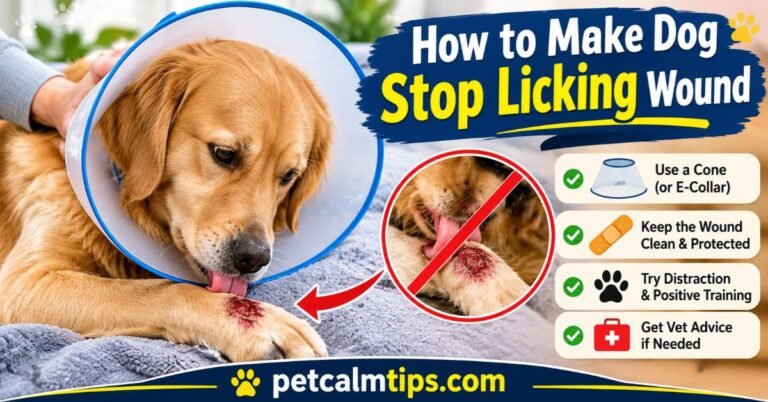
How to Make Dog Stop Licking Wound
Why Does My Dog Lick My Hands?
Why Does My Dog Sit on Me?
Why Does My Dog Roll in Grass?
FAQs
1: Is it normal for dogs to chew their nails?
Occasional chewing is normal, since dogs use their teeth to groom. Frequent or intense chewing, or chewing that comes with redness, odor, limping, or nail changes, isn’t typical and is worth a vet check. The pattern and frequency matter more than a single instance.
2: Can allergies make a dog chew his nails?
Yes. Allergies commonly cause itchy paws, and a dog may chew his nails and the skin around them for relief. Clues include seasonal flare-ups, itching elsewhere, and recurring ear infections. Your vet can help identify triggers and recommend treatment.
3: Can anxiety cause a dog to chew his nails?
It can. Some dogs chew their nails or paws when stressed, bored, or understimulated. Because medical causes can look similar, rule out health issues first, then work with your vet or a behavior professional on a plan.
4: How short should I trim my dog’s nails?
A good rule of thumb is that nails shouldn’t click loudly on hard floors or touch the ground when your dog stands. If you’re unsure, ask your vet or groomer to show you, because cutting into the quick is painful and can bleed.
5: Should I put a bitter spray on my dog’s paws?
Ask your vet first. Sprays won’t fix an underlying itch or pain, and some can irritate broken or inflamed skin. If the chewing has a medical cause, treating that cause is more effective than just discouraging the behavior.
6: What if my dog chewed a nail off and it’s bleeding?
Apply gentle pressure with a clean cloth and contact your vet, especially if bleeding doesn’t stop, the toe is swollen, or your dog is limping. A torn nail can be painful and may need professional care to prevent infection.




3 Comments