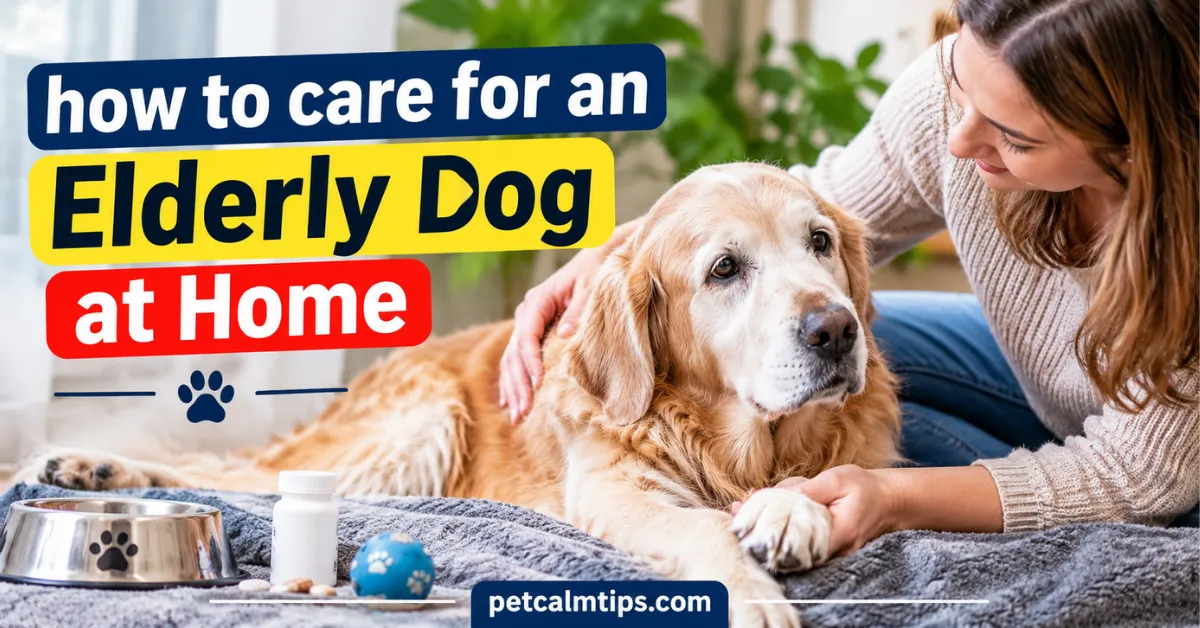
How to Care for an Elderly Dog at Home: A Practical Guide
Quick Answer
Caring for an elderly dog at home comes down to comfort, consistency, and close observation. Provide a supportive bed, traction on slippery floors, easy access to food and water, and gentle daily exercise. Feed a diet suited to your dog’s age and health, keep up with dental care and grooming, and schedule regular veterinary checkups. Don’t dismiss changes in appetite, mobility, thirst, or behavior as “just old age,” because many are treatable.
When Is a Dog Considered Elderly?
There’s no single birthday that makes a dog “old.” Size and breed matter a lot. Large and giant breeds tend to age faster and are often considered seniors around age 6 or 7. Small breeds may not reach senior status until 10 or later. Many veterinary sources use the last quarter or so of an expected lifespan as a rough guide.
Individual dogs vary, too. A 9-year-old Labrador with arthritis may need more help than a spry 12-year-old Chihuahua. Instead of focusing on the number, watch for practical signs: slower walking, stiffness after naps, graying muzzle, changes in sleep, or hesitation at stairs and car rides.
Create a Senior-Friendly Home
Small changes to your living space can make daily life much easier for an older dog.
Improve traction. Hardwood, tile, and laminate floors can be treacherous for stiff joints. Runners, yoga mats, or rubber-backed rugs create safe walking paths between your dog’s bed, water bowl, and door. Some owners use non-slip socks or boots designed for dogs, though not every dog tolerates them. Keeping nails trimmed also helps with grip.
Choose a supportive bed. Look for a thick orthopedic or memory-foam bed that’s easy to step onto. Place it away from drafts, and consider a second bed in the room where your family spends the most time. Older dogs often feel more secure when they’re close to their people.
Reduce obstacles. Ramps or pet stairs can help your dog get onto the couch, bed, or into the car. Block off steep stairs with a gate if falls are a concern. Keep walkways clear and nightlights on, since vision can decline with age.
Raise the bowls. Some dogs with neck or joint discomfort find it easier to eat and drink from slightly elevated bowls. Ask your vet before raising food bowls, though, since elevation isn’t right for every dog, particularly breeds prone to bloat.
Keep the temperature comfortable. Seniors often struggle to regulate body temperature. Provide warm bedding in winter and cool, shaded spots with fresh water in summer.
Feed Your Older Dog for Changing Needs
Nutrition is one of the most powerful tools you have, but there’s no universal “senior diet.” Some older dogs gain weight as their metabolism and activity slow. Others lose muscle or weight because of dental pain, kidney disease, or other health conditions.
Aim for a healthy body condition. Extra weight puts more strain on aching joints, while unintended weight loss can signal illness. Run your hands along your dog’s ribs. You should feel them easily without seeing them prominently, and your dog should have a visible waist. Your vet can show you how to score body condition and track changes.
Talk to your vet before switching foods. Senior formulas vary widely, and some dogs with kidney, heart, or digestive conditions need a specific prescription diet. Avoid making big dietary changes on your own, especially for a dog with a known health problem.
Make meals easier to eat. If your dog has sore teeth or a reduced appetite, warming the food slightly or moistening dry kibble with warm water can improve aroma and texture. Smaller, more frequent meals may also help. Never ignore a dog who suddenly refuses food, as appetite changes are a common first sign of illness.
Keep water accessible. Place several water bowls around the house and keep them fresh. A noticeable increase in thirst deserves a call to your vet, since it can be linked to conditions such as diabetes or kidney disease.
Be careful with supplements. Joint supplements like glucosamine, chondroitin, or omega-3 fatty acids are popular, but quality varies and they aren’t right for every dog. Ask your veterinarian which products and amounts are appropriate for your dog’s size and health.
Keep Your Senior Dog Moving Safely
Rest is important, but too little movement can speed up muscle loss and stiffness. The goal is regular, gentle, low-impact activity tailored to your dog.
- Shorter, more frequent walks. Two or three 10-to-15-minute strolls are often better tolerated than one long outing.
- Soft, even surfaces. Grass and dirt trails are easier on joints than hot pavement or steep hills.
- Gentle play. Slow sniffing walks, short games of fetch with a soft toy, or easy tug sessions can be great, as long as your dog enjoys them.
- Swimming or controlled water exercise. Many arthritic dogs benefit from the low impact of water, ideally with supervision and a canine life vest.
- Pay attention afterward. If your dog is limping, panting heavily, or stiff and reluctant to move later that day or the next morning, you probably did too much. Scale back and mention it to your vet.
Weather matters more for seniors. Avoid midday heat, and shorten outings in cold weather, especially for dogs with thin coats or arthritis.
Recognize Pain and Mobility Problems
Dogs are good at hiding discomfort, and owners often mistake pain for “just getting older.” Arthritis is very common in senior dogs, but pain can also come from dental disease, spinal problems, or other conditions. Signs may include:
- Difficulty rising, climbing stairs, or jumping onto furniture
- Limping or stiffness, especially after rest
- Reluctance to be touched or picked up
- Licking at a joint
- Restlessness at night or changes in sleeping position
- Irritability, hiding, or withdrawing from family activity
- Panting more than usual without exertion
If you notice these signs, schedule a veterinary visit rather than guessing. Many pain-management options exist, including prescription medications, physical therapy, weight management, and sometimes laser therapy or acupuncture. Never give your dog human pain relievers such as ibuprofen, naproxen, or acetaminophen. These can be toxic to dogs, and even a small amount can cause serious harm.
Support Your Dog’s Mind and Emotional Well-Being
Older dogs still need purpose, interaction, and enrichment. Mental stimulation can keep life interesting even when the body slows down.
Offer easy enrichment. Food puzzles, snuffle mats, and scent games let your dog use their nose, which stays a strong source of enjoyment for many seniors. Rotate toys and keep sessions short and rewarding.
Keep a predictable routine. Consistent mealtimes, walks, and bedtime help older dogs feel secure, particularly if their vision or hearing is fading. If your dog is losing sight or hearing, approach from the front, use touch gently, and consider hand signals alongside verbal cues.
Know the signs of cognitive changes. Canine cognitive dysfunction, sometimes compared to dementia in people, can cause confusion, staring at walls, pacing, changes in sleep cycles, reduced interaction, or forgetting house training. These signs overlap with other medical problems, so a veterinary exam is important. Your vet may recommend environmental changes, diet adjustments, or medication.
Stay patient with anxiety. Some senior dogs become clingier or more fearful of noise and separation. Calm routines, a quiet retreat space, and veterinary guidance can help.
Grooming, Dental Care, and Skin Checks
Regular grooming at home doubles as a weekly health exam.
Brush gently. Older skin can be thinner and more sensitive. Soft brushing removes loose hair, distributes skin oils, and gives you a chance to feel for new lumps, bumps, sore spots, or skin changes. Not every lump is serious, but any new or changing growth should be checked by your vet.
Trim nails. Overgrown nails change how a dog stands and walks, which can worsen joint discomfort and slipping.
Don’t skip dental care. Dental disease is common in older dogs and can cause pain, bad breath, difficulty eating, and infection. Brushing with dog-safe toothpaste is the gold standard. Dental chews can help some dogs, but they don’t replace brushing or veterinary cleanings. Signs of trouble include drooling, dropping food, pawing at the mouth, or reluctance to chew.
Check eyes, ears, and paws. Cloudiness in the eyes is common with aging, but redness, discharge, squinting, or sudden vision changes need prompt attention. Look inside ears for odor or debris, and examine paw pads for cracks or sores.
Manage Bathroom Accidents with Patience
Accidents in the house can be frustrating, but they’re rarely deliberate. Possible causes include urinary tract infections, kidney disease, diabetes, arthritis that makes it hard to squat or get outside, hormone-related incontinence, or cognitive changes.
Start with practical support. Offer more frequent bathroom breaks, keep your dog’s access to the yard easy, and use washable bedding or waterproof pads. Clean accidents with an enzymatic cleaner to remove odors. Never scold your dog, since punishment can increase stress without fixing the cause.
Because bathroom changes often have a medical reason, bring them up with your veterinarian. Many causes are treatable.
Veterinary Care for Senior Dogs
Many vets recommend senior wellness exams about every six months, since health can change quickly in older dogs. Visits may include a physical exam, weight and body condition checks, dental assessment, and bloodwork, urinalysis, or other screening tests to catch problems early.
Before each visit, jot down what you’ve noticed: appetite, thirst, bathroom habits, sleep, energy, mobility, and behavior. Short phone videos of limping, coughing, or unusual episodes can be very helpful.
Keep up with vaccines, parasite prevention, and any medications as your vet recommends. Your dog’s needs may differ from other seniors’, so tailored advice matters more than general rules.
7 Common Mistakes Owners Make
- Assuming every change is normal aging. Slowing down is expected, but sudden or significant changes aren’t something to wait out.
- Cutting exercise completely. Inactivity can worsen stiffness and muscle loss. Gentle, regular movement is usually better than none.
- Overfeeding treats. Extra calories add up quickly in a less active dog.
- Using human medications. Many common human drugs are dangerous to dogs.
- Changing food abruptly. Sudden switches can upset a senior’s digestion.
- Skipping dental care. Mouth pain can quietly affect appetite and overall health.
- Delaying checkups because the dog “seems fine.” Dogs often hide illness until it’s advanced.
When to Call Your Vet
Schedule an appointment soon if you notice:
- Gradual weight loss or gain
- Increased thirst or urination
- Reduced appetite lasting more than a day or so
- New lumps or growths
- Persistent limping or stiffness
- Bad breath, drooling, or trouble chewing
- Increased accidents, confusion, or sleep changes
- A new cough, especially a persistent one
Contact an emergency vet immediately if your dog:
- Has trouble breathing or collapses
- Has pale or blue gums
- Has a swollen, hard abdomen, especially with unproductive retching
- Experiences a seizure
- Cannot stand or suddenly loses use of the back legs
- Is vomiting repeatedly or has bloody diarrhea
- Strains to urinate without producing urine
- Shows signs of severe pain, such as crying out or being unable to settle
When in doubt, call. Your vet’s office can help you decide how urgent a situation is.
- Explore More Expert-Reviewed Pet Care Guides: My Dog Is Getting Old and I’m Scared
- How to Introduce Your Dog to a New Baby
- How to Make a Dog Comfortable in a New Home
- What to Use to Clean Dog Paws After Walk
- Signs Your Senior Dog Is Healthy at Night
- How to Remove Dog Smell From Your House
Conclusion
Caring for an elderly dog at home doesn’t require perfection. It requires attention, patience, and a willingness to adjust as your dog’s needs change. Comfortable bedding, safe footing, appropriate food, gentle exercise, mental enrichment, and regular grooming go a long way toward keeping your senior dog happy. The most important habit is noticing change early and bringing it to your vet rather than assuming it’s just age.
Your next step is simple: look around your home through your dog’s eyes this week. Find the slippery floors, the hard-to-reach water bowl, or the steps they avoid, and fix one of them today.
Frequently Asked Questions
1: How often should an elderly dog see the vet?
Many veterinarians recommend senior wellness exams about every six months, although your dog’s health may call for more frequent visits. Twice-yearly exams help catch problems like dental disease, arthritis, kidney changes, and lumps earlier, when they’re often easier to manage.
2: How much exercise does a senior dog need?
It depends on breed, size, and health. Most older dogs do best with short, regular walks and gentle play rather than long or intense sessions. Watch how your dog feels afterward. Limping, heavy panting, or stiffness later suggest you should scale back and consult your vet.
3: Why is my older dog sleeping more than usual?
Older dogs commonly sleep more as energy declines. But a sudden increase in sleep, weakness, or loss of interest in food and activity can point to pain or illness. If the change seems abrupt or comes with other symptoms, schedule a veterinary exam.
4: What can I give my old dog for joint pain?
Start with your veterinarian. Weight control, controlled exercise, supportive bedding, and prescription pain medications or joint supplements may help, depending on your dog. Never give human pain relievers like ibuprofen or acetaminophen, because they can be toxic to dogs.
5: Should I change my senior dog’s food?
Not necessarily. Some seniors do well on their current food, while others benefit from a different formula or a prescription diet for a health condition. Ask your vet to assess your dog’s weight, muscle condition, and medical needs before making changes, and switch gradually.
6: How can I tell if my elderly dog is in pain?
Dogs often hide pain, so look for subtle changes: stiffness, trouble getting up, reluctance to climb stairs, licking a joint, panting at rest, irritability, or withdrawing from family. If you notice any of these, a veterinary exam can identify the cause and discuss treatment options.