
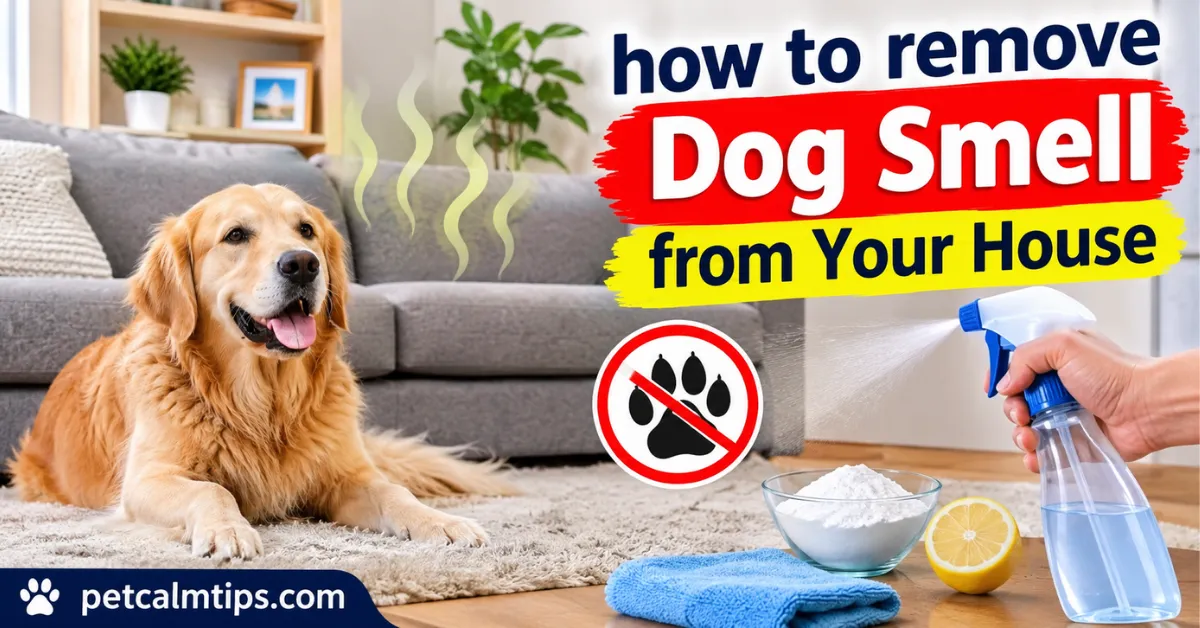
How to Remove Dog Smell From Your House: 7 Easy Steps
Quick Answer
To remove dog smell from your house, find and treat the sources first. Wash bedding and washable fabrics, clean urine accidents with an enzymatic cleaner, vacuum and deep clean carpets and upholstery, and air out your rooms. Then keep your dog groomed on a regular schedule. Skip heavy perfumes and essential oil diffusers, which only mask odor and can harm pets. If the smell comes from your dog’s skin, ears, or mouth, see your vet.
Why Your House Smells Like Dog
Every dog has a natural scent. Their skin produces oils, and they have sweat glands in their paw pads. Bacteria and yeast that normally live on the skin and coat add to the smell. A healthy dog has a mild, distinct odor. A home that smells strongly of dog usually has an odor buildup problem.
Dog odor spreads because the materials in your home soak it up. Here’s where it tends to settle:
- Soft, porous surfaces: Carpets, rugs, couches, curtains, and bedding trap skin oils, dander, and drool.
- Hard-to-clean spots: Floor vents, baseboards, and the gap between furniture cushions collect hair and debris that holds smell.
- Moisture: Damp dogs release odor more strongly, and damp fabrics can develop a musty smell that mixes with it.
- Stale air: Closed windows and filters that haven’t been changed let odor linger instead of clearing out.
Understanding this matters because it changes your strategy. Spraying a freshener over a dirty couch doesn’t remove the oils soaked into it. Cleaning does.
How to Find the Source of the Odor
Before you clean everything, take ten minutes to investigate. This saves time and keeps you from scrubbing the wrong things.
Try a “fresh nose” test. Smell goes unnoticed after a while because your nose adapts. Step outside for a few minutes, or ask a friend you trust to walk through your home and tell you where it’s strongest.
Check your dog’s favorite spots. Dogs rest where they feel safe. Smell the bed, the couch cushion they claim, the blanket in your car, and any spot by a sunny window.
Look for hidden accidents. Old urine stains may not be visible in normal light. A handheld UV (black) light can help reveal them in a dark room. Puppies, senior dogs, and dogs with medical issues are the most likely culprits.
Inspect your dog. Smell their ears, paws, and coat. A greasy coat, a sour or yeasty smell, or strong breath tells you the problem may start with your dog, not your house. (More on this later.)
Check the air system. A dirty HVAC filter can recirculate pet dander and odor through the entire house.
Step-by-Step Plan to Remove Dog Smell
This plan works from the biggest odor sources down to maintenance. You don’t need to do it all in one day, but the order matters.
Step 1: Wash everything washable
Start with dog beds, blankets, throw pillows, couch covers, and removable cushion covers. Wash them according to the care label, using a fragrance-free detergent. Strong perfumes can bother dogs, whose sense of smell is far more sensitive than ours. A cup of white vinegar or half a cup of baking soda in the wash cycle can help with odor on many fabrics, though you should always check the label first.
Dry thoroughly. Damp bedding can turn musty fast. If your dog’s bed can’t be washed, vacuum it well and consider replacing it. A bed that’s still smelly after repeated washing is likely holding onto oils that won’t come out.
Step 2: Vacuum like you mean it
Hair and dander hold odor, so removing them makes a visible difference. Vacuum carpets, rugs, upholstery, and the crevices of furniture. A vacuum with a HEPA filter traps fine dander better than one that blows it back into the air. Do the edges and corners, since that’s where hair collects.
Step 3: Treat accidents with an enzymatic cleaner
If you find urine, vomit, or feces residue, blot up as much as possible first. Then use an enzyme-based pet stain and odor cleaner, following the product directions. Enzymes break down the organic compounds that cause the smell, which is why they work better than regular household cleaners for this job.
Dogs often return to the same spot if they can still smell a previous accident. If you only cover the odor, you may be setting up repeat accidents.
Step 4: Deep clean carpets and upholstery
Once the surface is clean, deep clean carpets and furniture. You can rent a carpet cleaner, buy one, or hire a professional. A word of caution: if urine is still present, heat from steam cleaning can make the smell harder to remove. Treat urine spots with an enzymatic cleaner before steam cleaning.
For a light odor on carpets, sprinkling baking soda, letting it sit for several hours, and vacuuming it up can help absorb some smell. It’s a good low-cost maintenance step, but it won’t fix a deeply soaked stain.
Step 5: Wipe down hard surfaces
Clean hard floors, baseboards, door frames at nose height, and any walls your dog rubs against. Dogs leave oils on surfaces as they brush past. Use a floor cleaner appropriate for your flooring. Vinegar solutions are popular, but they can dull some finishes, so test a small area first and avoid using them on natural stone.
Keep your dog out of the room until floors are dry and any cleaning product smell has cleared.
Step 6: Refresh the air
Open windows when weather allows, and run fans to move air through. Replace your HVAC filter on the schedule recommended by the manufacturer, and check it more often if you have shedding dogs. An air purifier with a HEPA filter and activated carbon can help reduce airborne dander and odors. Choose one that doesn’t produce ozone, since ozone can irritate lungs, including your pet’s.
Step 7: Bathe and groom your dog
Even a spotless house will smell again if the dog is the source. Brush regularly to remove loose hair and distribute skin oils. Bathe with a dog-specific shampoo, never human shampoo, since dog skin has a different pH. How often depends on your dog’s coat, skin, and lifestyle. Many dogs do well with a bath every few weeks to every couple of months, but bathing too often can dry out the skin. Ask your vet or groomer what fits your dog.
Room-by-Room Odor Removal
Different rooms collect different smells. Here’s where to focus.
Living room
The couch is often the biggest offender. Remove and wash cushion covers if possible, vacuum under and between cushions, and consider a washable throw blanket that you launder weekly. Rugs should be vacuumed often and deep cleaned a few times a year.
Bedroom
If your dog sleeps on your bed, your sheets and mattress take on the smell too. Wash bedding weekly. A mattress protector is easier to wash than the mattress itself. If your dog sleeps in the room, vacuum the floor regularly.
Entryway and mudroom
Dogs track in dirt, moisture, and outdoor smells. Keep a towel or paw wipe by the door, and wipe paws after wet or muddy walks. Wash the towels often.
Kitchen and feeding area
Wash food and water bowls daily. Drool, leftover food, and bacteria build up and smell. Clean the mat or the floor under the bowls too, since splashes and crumbs collect there.
Car
If your dog rides with you, wash seat covers and blankets regularly, and vacuum hair from upholstery. A smelly car often means a smelly dog bed in the trunk or back seat.
Choosing Safe Cleaning Products
Your dog lives at nose level with whatever you use, so product choice matters.
What generally works well:
- Enzymatic pet cleaners for urine, vomit, and other organic messes.
- Fragrance-free or lightly scented laundry detergent.
- Baking soda for light odor absorption on dry surfaces.
- HEPA vacuums and carbon-filter air purifiers.
What to be careful with:
- Essential oils and diffusers. Some essential oils, including tea tree, can be toxic to dogs, and even “natural” scents can irritate sensitive pets. If you’re unsure, skip them or ask your vet first.
- Ammonia-based cleaners. Urine contains ammonia, so these can smell like an invitation to mark the spot again.
- Mixing cleaners. Never mix bleach with ammonia or vinegar, as it can create harmful fumes.
- Heavily perfumed sprays and plug-ins. They mainly mask odor, and strong fragrances may bother pets with sensitive noses or breathing issues.
Always keep pets away from wet surfaces and ventilate the room while cleaning. Store products out of reach, and read the label for pet-safety directions.
Common Mistakes That Keep the Smell Around
1: Masking instead of cleaning. Air fresheners, candles, and sprays cover smell for a few hours. The source is still there.
2: Washing the bed but not the cover or the area around it. The spot where the bed sits can hold odor too.
3: Skipping the dog. If your dog has a greasy coat or a skin problem, the odor will keep refilling your house.
4: Using the wrong cleaner on urine. Regular soap may lift the stain you can see but leave the odor-causing compounds behind.
5: Letting fabrics stay damp. Wet dog bedding or towels left in a pile develop a musty smell quickly.
6: Forgetting the air filters. A clogged filter can spread odor and dander around the house.
7: Over-bathing. Washing a dog too often can strip natural oils, irritate the skin, and sometimes make odor worse.
When a Dog Smell Is a Health Clue
Most dog odor is about hygiene and housekeeping, but sometimes the smell is a signal. A strong or unusual odor that doesn’t go away after a bath deserves attention. Some common possibilities include:
- Ear problems: A sour or yeasty smell, redness, head shaking, or discharge can point to an ear infection.
- Skin issues: A rancid or musty odor with itching, redness, flaky or greasy skin, or hair loss may be linked to allergies, yeast, or bacteria.
- Dental disease: Very foul breath, red gums, or trouble chewing can signal dental problems.
- Anal gland trouble: A sharp fishy odor, scooting, or licking at the rear end may be an anal gland issue.
- Urinary or digestive issues: New accidents, strong-smelling urine, or diarrhea can indicate a medical problem.
Only a veterinarian can diagnose what’s behind a smell, so avoid guessing or treating with home remedies. Call your vet if the odor is new, intense, or accompanied by itching, discharge, pain, appetite changes, or behavior changes.
Contact a vet immediately if your dog has difficulty breathing, is repeatedly vomiting, has severe pain, or has a swollen, tight abdomen. These aren’t odor problems, they’re emergencies.
How to Prevent Dog Odor Long-Term
Once your home smells fresh, a simple routine keeps it that way.
Daily:
- Wipe your dog’s paws after wet walks.
- Wash food and water bowls.
- Spot clean any accidents right away.
Weekly:
- Brush your dog several times, depending on coat type.
- Vacuum floors and upholstery.
- Wash blankets, throw covers, and your dog’s bedding.
- Wash your own bedding if your dog sleeps with you.
Monthly:
- Check and replace HVAC and air purifier filters as needed.
- Wipe baseboards and hard surfaces.
- Bathe your dog as recommended by your vet or groomer.
A few times a year:
- Deep clean carpets and rugs.
- Wash or replace the dog bed.
- Schedule a vet checkup, including a dental exam.
Some habits help too. Give your dog a washable “spot” on the couch, such as a blanket you toss in the wash. Keep a towel by the door. Train and monitor puppies and senior dogs for house-training slips. You’ll never get rid of a dog’s scent completely, and you don’t need to. The goal is a home that smells clean, with only a faint hint of the animal who lives there.
- Explore More Expert-Reviewed Pet Care Guides: How to Keep a Dog Safe During a Power Outage
- How to Prepare Your Dog for a Long Road Trip
- How to Protect Dog Paws From Hot Pavement
- How to Keep Dogs Safe Around Swimming Pools
- How to Protect Dogs From Heat in Summer
Conclusion
Learning how to remove dog smell from your house comes down to a few steps: find the sources, wash what you can, treat accidents with an enzymatic cleaner, deep clean the soft surfaces, and keep your dog groomed. Skip the strong fragrances and essential oils, which cover odor and may bother your pet.
A regular cleaning routine matters more than any single product. If the smell seems to come from your dog and a bath doesn’t help, let your vet check for skin, ear, dental, or other health issues. Your next step is simple: wash your dog’s bed today and see how much of the odor disappears.
Frequently Asked Questions
1: How do I get dog smell out of my couch?
Remove and wash any removable covers according to the label. Vacuum the cushions and crevices, then treat spots with a fabric-safe enzymatic cleaner. A light dusting of baking soda left for several hours before vacuuming can help absorb mild odor. Test any product on a hidden area first, and use a washable throw to protect the couch in the future.
2: Does baking soda really remove dog odor?
Baking soda can absorb mild odors from carpets, fabrics, and the bottom of trash cans, but it works best as a supporting step. It won’t remove deep urine stains or oils soaked into a mattress. For those, use an enzymatic cleaner and deep clean the area.
3: Is it safe to use essential oil diffusers around dogs?
It depends, and many experts suggest caution. Some essential oils, including tea tree, can be harmful to dogs, and diffused scents may irritate sensitive noses or breathing. If you want to use them, check with your veterinarian first, ensure good ventilation, and always let your dog leave the room.
4: Why does my house still smell like dog after cleaning?
You may have missed a source. Common ones include old urine stains, the dog bed itself, HVAC filters, upholstery crevices, or the dog’s own skin and ears. Use a UV light to check for accidents, and consider whether your dog needs a bath or vet visit if the odor persists.
5: How often should I wash my dog’s bed?
Weekly is a good rule for most homes, especially if your dog sheds, drools, or goes outdoors often. Always follow the care label. If the bed still smells after washing, the filling may be holding odor, and replacing it may be your best option.
6: Can an air purifier get rid of dog smell?
An air purifier can reduce airborne dander and some odor, particularly models with a HEPA filter and activated carbon. It won’t remove odor from soaked carpets, bedding, or furniture, so use it alongside cleaning. Avoid models that generate ozone.


One Comment