
How to Tell if Your Dog Is Too Cold: (Signs and Safe Steps)
Quick Answer
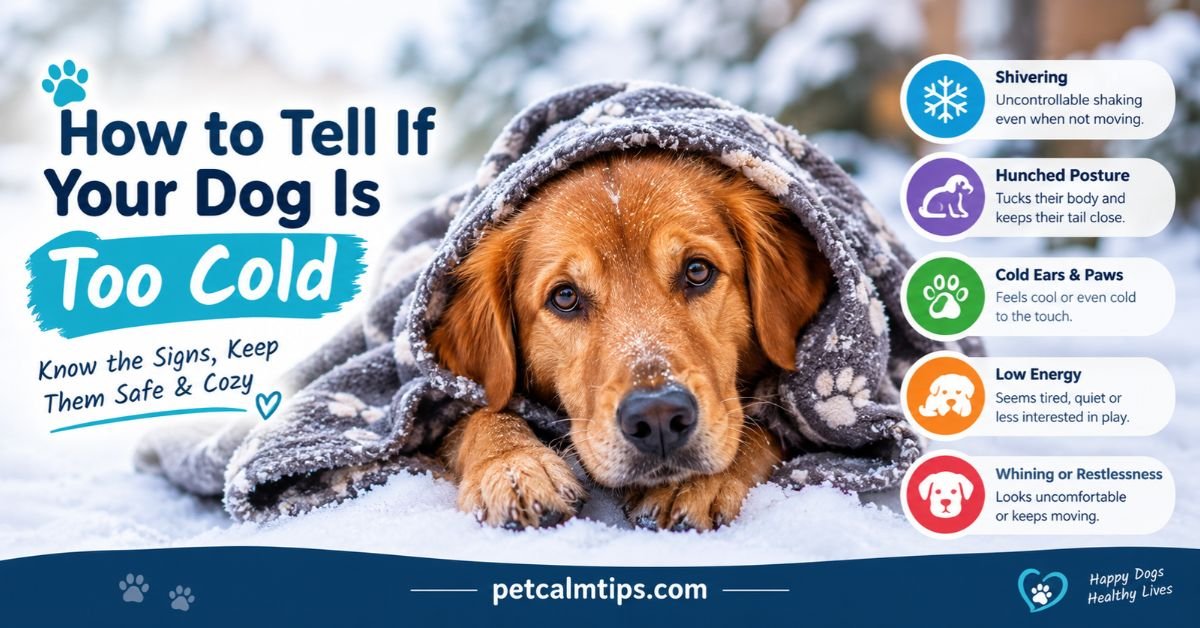
A dog that’s too cold often shivers, tucks its tail, hunches its body, lifts its paws, whines, or refuses to keep walking. Some dogs seek warmth or slow down and seem sleepy. Shivering that won’t stop, weakness, stumbling, or pale gums can signal hypothermia, which is an emergency. Cold tolerance varies by size, coat, age, and health, so judge your dog’s behavior, not just the thermometer.
Table of Contents
- Why Dogs Get Cold Faster Than You’d Expect
- Early Signs Your Dog Is Getting Cold
- Signs the Cold Is Becoming Dangerous
- Which Dogs Are Most Vulnerable
- How Cold Is Too Cold? Using Temperature as a Rough Guide
- What to Do If Your Dog Is Too Cold
- Common Mistakes Owners Make
- When to Call Your Vet
- Preventing Cold Stress
- Conclusion
- FAQs
Why Dogs Get Cold Faster Than You’d Expect
Many people assume a dog’s fur coat is a built-in winter parka. For some dogs it is. For many others, it isn’t even close.
Dogs hold on to body heat through their coat, body fat, and muscle, and they lose it through exposed skin, the paws, the ears, and the belly. A dog’s normal body temperature runs higher than ours, roughly 100.5 to 102.5°F. When the surrounding air, wind, or wet ground pulls heat away faster than the body can make it, the dog’s temperature starts to drop.
Several things speed up that heat loss:
- Wind. Moving air strips warmth from the body, even when the thermometer doesn’t look alarming.
- Wetness. A soaked coat loses most of its insulating power, whether from rain, snow, or a puddle.
- Contact with cold surfaces. Frozen pavement, snow, and metal chill the paws and belly quickly.
- Inactivity. A dog romping in the yard generates heat. A dog standing around waiting for you to finish a phone call does not.
Understanding this makes the warning signs easier to interpret. Your dog isn’t being dramatic. Her body is working to protect its core temperature.
Early Signs Your Dog Is Getting Cold
Most dogs give several hints before they’re in real trouble. Watch for these, especially in combination.
Body Language Changes
- Shivering or trembling. This is the body’s attempt to generate heat through muscle activity. Occasional shivering can also come from excitement or anxiety, so check the context.
- Tucked tail and hunched posture. Dogs curl in to protect their belly and reduce exposed surface area.
- Pinned or drooping ears. This is more noticeable in dogs that normally carry their ears upright.
- Slow, stiff, or cautious movement. Cold can make muscles and joints feel tight, which is especially noticeable in older dogs.
Behavior Changes
- Lifting paws or refusing to walk. A dog that keeps picking up one foot at a time, or plants itself and won’t move, may be dealing with cold ground.
- Whining or barking to go inside. Some dogs are surprisingly direct about it.
- Seeking heat. Burrowing under blankets, pressing against you, or parking in front of a vent are all clues.
- Turning back toward home. A dog that’s usually eager on walks but suddenly pulls toward the door is communicating something.
- Anxious or restless behavior. Some dogs pace or seem unable to settle when they’re uncomfortable.
None of these signs proves your dog is cold on its own. Together, though, they paint a clear picture. When in doubt, go inside and see whether the behavior changes. If the shivering stops and the tail relaxes within a few minutes of warming up, you have your answer.
Signs the Cold Is Becoming Dangerous
Cold stress can progress to hypothermia, a drop in body temperature below normal that affects how the body functions. The earlier you catch it, the better.
Warning signs that go beyond simple chilliness include:
- Shivering that becomes violent, or shivering that stops while the dog still seems cold and weak
- Lethargy, unusual sleepiness, or difficulty responding to you
- Stumbling, poor coordination, or weakness
- Pale or bluish gums
- Slow, shallow breathing
- A noticeably cold body, not just cold ears and paws
- Collapse or unresponsiveness
Veterinary references generally describe mild hypothermia as a body temperature somewhat below normal, with signs worsening as the temperature continues to fall. You don’t need to measure it to act. If your dog is cold, weak, and not acting like herself, treat it as urgent.
Frostbite Warning Signs
Frostbite is tissue damage from freezing, and it tends to affect the extremities first: ear tips, tail, paws, and sometimes the scrotum in male dogs. Look for:
- Skin that looks pale, gray, or bluish
- Skin that feels cold and hard or brittle
- Redness, swelling, or pain as the area warms up
- Blisters or skin that turns dark in the following days
Frostbite isn’t always obvious right away. Damage can show up hours or days later, so a dog that spent time in extreme cold deserves a close look afterward.
Which Dogs Are Most Vulnerable
Two dogs can walk out the same door in the same weather and have completely different experiences. Here’s who tends to struggle most.
Small and toy breeds. Smaller bodies have a larger surface area relative to their mass, so they lose heat faster. Their bellies also sit close to cold ground.
Short-coated and thin-coated dogs. Greyhounds, whippets, Chihuahuas, boxers, pit bull types, and similar breeds have little insulation.
Puppies and senior dogs. Puppies haven’t fully developed their ability to regulate body temperature. Older dogs may have less muscle and body fat, and often have arthritis that flares up in cold weather.
Dogs with health conditions. Heart disease, kidney disease, diabetes, and hormonal disorders such as hypothyroidism can affect how well a dog handles temperature extremes. Your vet can tell you whether your dog falls into this group.
Dogs not used to the cold. A dog that lives in a heated home or recently moved from a warmer climate may adapt poorly to sudden drops in temperature.
Underweight dogs. Body fat is insulation, and lean dogs have less of it.
Thick-coated northern breeds such as huskies and malamutes generally handle cold better. Even they can get into trouble when they’re wet, wind-exposed, ill, or left outside for long periods. A double coat helps, but it isn’t a guarantee.
How Cold Is Too Cold? Using Temperature as a Rough Guide
Owners often want a number. Unfortunately, no single temperature works for every dog. Still, a few rough guidelines can help you plan.
| Conditions | What it generally means |
|---|---|
| Around 45°F and above | Most dogs are comfortable. Some small, thin-coated, or senior dogs may already want a coat. |
| Around 32–45°F | Small, short-coated, young, old, or ill dogs may be uncomfortable and should have shorter outings. |
| Below freezing | Cold stress becomes more likely for many dogs, especially with wind or moisture. |
| Around 20°F and below | Risk rises for nearly all dogs. Keep outdoor time brief and watch closely. |
Treat these as starting points rather than rules, and adjust for your own dog. Remember that “feels like” temperature matters. A 35°F day with a steady wind and drizzle can be harder on a dog than a calm, dry 25°F morning.
The most reliable approach is to combine the forecast with what you see. If your dog is showing signs of discomfort, she’s too cold, regardless of what any chart says.
What to Do If Your Dog Is Too Cold
If your dog is shivering and uncomfortable but alert and responsive, here’s a practical way to warm her up safely.
- Get her inside immediately. Move to a warm, draft-free room. If you can’t get indoors, shelter her from the wind in a car with the heat on.
- Dry her off. Use towels to blot a wet coat, paying attention to the belly, legs, and paws. If snow or ice has balled up between her toes, gently clear it.
- Wrap her in blankets. Warm the blankets in the dryer for a few minutes first if you can. Wrapping her loosely still helps her hold heat.
- Add gentle warmth. A warm (not hot) water bottle wrapped in a towel can be placed near her body. Check it often, and never place it directly against bare skin.
- Offer fresh, lukewarm water. Dogs that are alert can drink if they want to. Don’t force fluids.
- Monitor her closely. Watch her breathing, energy, gum color, and whether the shivering eases. A healthy dog usually perks up within a short time.
- Call your vet if she isn’t improving. If recovery is slow or you’re unsure, phone your vet or an emergency clinic for guidance, even if she seems to be coming around.
If your dog is weak, stumbling, or unresponsive, skip the home care. Wrap her in a blanket and get to a veterinarian right away. Keep the car warm on the way and call the clinic ahead so they can prepare.
What About Possible Frostbite?
If you suspect frostbite, warm the affected area gradually with lukewarm water and pat it dry gently. Avoid rubbing or massaging the tissue, since frozen skin is fragile and easy to damage. Then call your vet, because frostbite often needs professional assessment and pain control.
Common Mistakes Owners Make
A few misunderstandings come up often, and they can lead well-meaning owners astray.
1: Judging by cold ears or paws alone. A dog’s ears and paws are often cooler than the rest of her body, even in comfortable conditions. Look at her behavior and overall demeanor instead.
2: Assuming fur is enough. Coat length doesn’t always tell you much. Some long-haired dogs have thin, silky coats that don’t insulate well, while a wet double coat loses much of its protection.
3: Using hot items to warm her quickly. Heating pads set on high, hot baths, and hair dryers on a hot setting can burn a cold dog. Cold skin may not sense heat normally, so burns can happen before you realize it. Aim for gradual, gentle warming.
4: Leaving the dog outside “because she likes it.” Some dogs love snow and will happily stay out past the point of safety. Enthusiasm doesn’t mean they aren’t getting cold.
5: Skipping gear that fits. A coat that’s too loose slides around and lets cold air in. One that’s too tight restricts movement. Look for a snug fit that covers the chest and belly without limiting her stride.
6: Forgetting about the walk home. Dogs often overheat from the walk out and then chill on the way back once they slow down or get wet. Plan for the whole outing.
7: Ignoring winter hazards. De-icing salts can irritate paws, and antifreeze is highly toxic to dogs. Wipe paws after walks and keep chemicals out of reach.
When to Call Your Vet
Some situations call for a phone call. Others call for an immediate trip.
Call Your Vet for Advice If:
- Your dog shivers frequently in conditions that don’t seem very cold
- She’s reluctant to go outside in winter and seems stiffer than usual (arthritis can flare in cold weather)
- You notice red, cracked, or sore paws after walks
- She has a medical condition and you’re unsure how much cold exposure is safe
- You’re not sure whether a coat or other gear would help
Get Emergency Veterinary Care Immediately If:
- She’s weak, wobbly, or collapses
- She’s unresponsive or very difficult to wake
- Her gums are pale, gray, or bluish
- Her breathing is slow or shallow
- Shivering has stopped but she still seems cold and sluggish
- You suspect frostbite, or her skin looks discolored
- She spent a long time outside in the cold and you’re worried
When you’re unsure, calling is always reasonable. Your vet would much rather hear from you early than treat a dog that has gotten worse overnight.
Preventing Cold Stress
You can’t control the weather, but you can make winter easier on your dog.
- Shorten outings when it’s cold. Several brief trips often work better than one long one for small or thin-coated dogs.
- Choose gear that fits. For short-haired, small, senior, or lean dogs, a well-fitted coat or sweater can make a real difference. Booties help some dogs but aren’t necessary for all; if you try them, make sure they fit well and your dog tolerates them.
- Keep her dry. Rain gear can help, and a towel by the door makes post-walk cleanup easy.
- Provide a warm place to rest. A raised bed away from drafts, with extra blankets, helps indoor dogs stay comfortable. Don’t leave heating pads or space heaters where a dog could chew or knock them over.
- Adjust for age and health. Senior dogs and dogs with joint problems often appreciate a warmer sleeping spot and gentler winter exercise.
- Don’t rely on outdoor housing in extreme cold. Most dogs are safest indoors when temperatures plunge. If your dog must spend time outside, she needs dry, insulated shelter and fresh, unfrozen water, but consult your vet about what’s appropriate for your climate and dog.
- Check paws after every walk. Look for ice buildup, cracks, and irritation from salt.
You can’t prevent every chilly moment, but you can reduce the risk by paying attention to your dog’s signals and planning ahead.
Conclusion
Knowing how to tell if your dog is too cold comes down to watching how she behaves. Shivering, a tucked tail, lifted paws, whining, and a reluctance to keep walking are all reasons to head inside. Small, thin-coated, young, senior, and ill dogs need the most care, but any dog can get into trouble when it’s wet, windy, or cold for too long.
If your dog is only mildly chilled, dry her off, wrap her up, and warm her gradually. If she seems weak, confused, or unusually sleepy, don’t wait. Get her to a vet. As a next step, spend a few minutes this week checking that your dog has a well-fitting coat, a warm bed, and a towel by the door. Winter goes more smoothly when you’re ready for it.
Explore More Expert-Reviewed Pet Care Guides: Orthopedic Dog Beds for Senior Dogs
Best Dog Beds for Cold Weather
How to Keep Dog House Warm in Winter
Why Does My Dog Keep Sneezing?
How Long Can a Dog Go Without Food?
FAQs
1: Is it normal for my dog to shiver when it’s cold?
Shivering is a normal way for dogs to generate heat, so a little is expected in chilly weather. It becomes a concern if it’s intense, doesn’t stop after warming up, or comes with weakness, lethargy, or stumbling. Shivering can also come from fear, excitement, or pain, so consider the situation.
2: Do dogs need sweaters or coats in winter?
Some do, and many don’t. Small, short-coated, lean, senior, and ill dogs often benefit from a coat, especially in wind or wet weather. Thick double-coated dogs usually need less help. Choose a snug, comfortable fit and watch how your dog moves and behaves.
3: Can I tell if my dog is cold by feeling her ears and paws?
Not reliably. Ears and paws are naturally cooler than the rest of the body. It’s more useful to look at behavior, such as shivering, posture, and willingness to move, and to feel whether her torso or belly is unusually cold.
4: Is it okay for dogs to sleep outside in cold weather?
In very cold weather, most dogs are safer indoors. Even hardy breeds need dry, wind-protected, insulated shelter and access to unfrozen water if they stay outside. Puppies, seniors, small dogs, and dogs with health problems should sleep inside. Ask your vet what’s appropriate for your area.
5: How long can a dog stay outside in the cold?
There’s no universal answer. A thick-coated dog in dry, calm weather may stay out longer than a small, short-haired dog in wind or wet snow. Keep outings brief when it’s very cold, and head in as soon as your dog shows discomfort.
6: What should I do if I think my dog has hypothermia?
Bring her inside, dry her, wrap her in blankets, and warm her gradually with warm, towel-wrapped water bottles. Avoid hot baths and direct heat sources. Then call your vet or an emergency clinic right away, because hypothermia can worsen quickly even if she seems to improve.





One Comment