
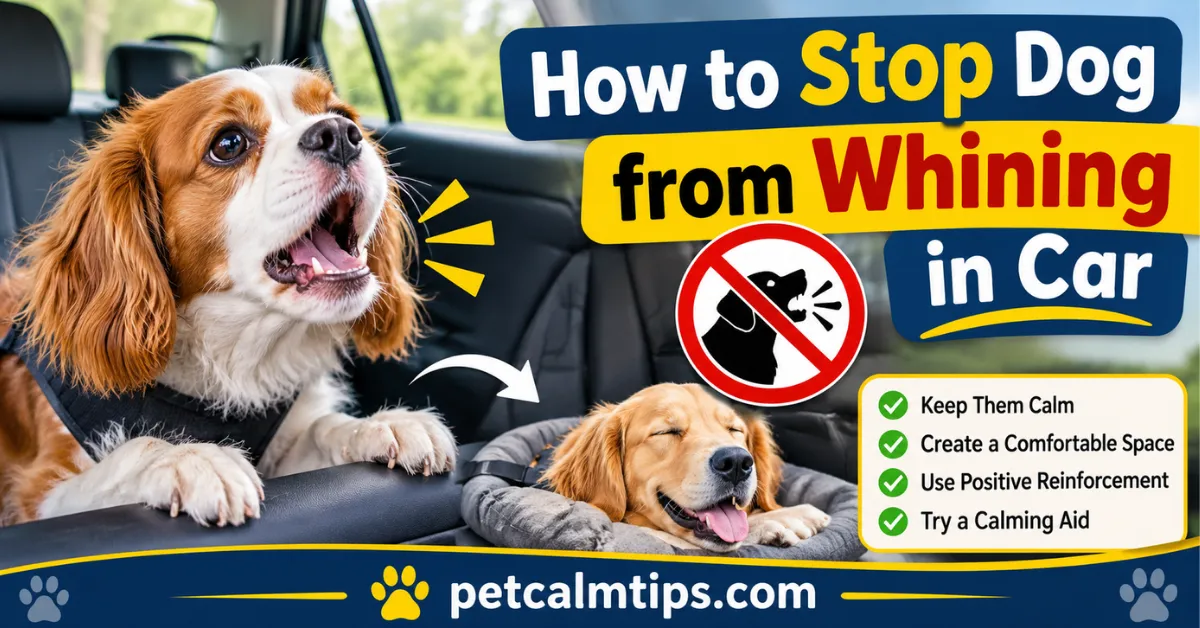
How to Stop Dog From Whining in Car: 7 Calming Steps
Quick Answer
To stop a dog from whining in the car, first identify the cause: excitement, anxiety, motion sickness, discomfort, or learned attention-seeking. Then use gradual desensitization, short positive trips, a secure restraint, and rewards for calm behavior. Avoid scolding. If your dog drools heavily, vomits, trembles, or panics, talk to your veterinarian, since nausea and anxiety often need medical support in addition to training.
Why Dogs Whine in the Car
Whining is communication. Dogs don’t whine to annoy us. They do it because something about the situation makes them feel an emotion or a physical sensation they can’t handle quietly.
A car is an unusual environment for a dog. It moves in ways the dog can’t predict, it vibrates, it smells strongly of other things, and the dog can’t leave. Some dogs find that thrilling. Others find it unsettling. Many dogs also learn quickly that the car predicts what comes next, whether that’s the park or the vet’s office, and they react to that prediction.
The key point is that the same sound, whining, can come from very different causes. A dog whining with excitement needs a different plan than a dog whining because of nausea, which is why diagnosing the “why” comes first.
The Most Common Causes Explained
Excitement and Anticipation
If your dog only whines on the way to places they love, like the dog park or a hiking trail, anticipation is a likely culprit. The car has become a cue for something wonderful.
Signs: Bright, alert body language, a wagging tail, bouncing around the seat, and whining that gets louder as you near the destination.
What to know: This is the most manageable type of whining, but it can intensify over time if the pattern isn’t changed.
Motion Sickness
Motion sickness is common, especially in puppies, whose inner ear structures are still developing. Many dogs outgrow it, but some don’t.
Signs: Drooling, lip licking, yawning, restlessness, whining, and sometimes vomiting. Some dogs look pale-gummed or lethargic during the ride.
What to know: Training alone won’t fix nausea. A dog who feels sick will associate the car with feeling sick and may become anxious even before the car starts moving. Your veterinarian can discuss options, which may include prescription anti-nausea medication.
Fear and Anxiety
Some dogs are genuinely frightened of car rides. A dog might have had an unpleasant early experience, such as being transported to a shelter, rescue, or a stressful vet visit, and the car became a predictor of bad things.
Signs: Trembling, panting without heat, pacing, tucked tail, flattened ears, whale eye (showing the whites of the eyes), trying to hide on the floorboard, or attempting to escape.
What to know: Fear-based whining needs patience, not pressure. Forcing a scared dog into long trips usually deepens the fear.
Learned Attention-Seeking
Dogs repeat what works. If whining in the car has ever earned a reaction, such as soothing words, a pet from the passenger, or a quick stop, the dog may have learned that whining pays off.
Signs: The dog glances at you while whining, stops when you respond, and restarts when you stop.
What to know: This is a habit, not a character flaw. It can be changed by rewarding quiet instead.
Physical Discomfort or Needs
A dog may whine because they’re too hot, bumped around, sliding on a slick seat, or need to pee. Older dogs with arthritis may find bumpy rides painful.
What to know: If your dog’s car behavior changed suddenly, especially an older dog who used to ride quietly, consider a physical cause before assuming it’s behavioral.
Over-Arousal From Stimuli
Passing cars, people, other dogs, and squirrels can all set off a whining dog, particularly when they’re looking out the window.
What to know: Limiting what your dog can see, using a secure crate or a seat positioned for less visual stimulation, can reduce triggers for some dogs.
How to Stop Your Dog From Whining in the Car: A Step-by-Step Plan
This plan works best for anxiety, excitement, and attention-seeking whining. If you suspect motion sickness or pain, check in with your vet first or alongside this plan.
Step 1: Rule Out Medical Causes
If whining is new, intense, or paired with drooling or vomiting, schedule a veterinary visit. It’s easier to train a dog who feels well.
Step 2: Make the Parked Car a Happy Place
Start with the car turned off. Open the door, toss a few treats in, and let your dog explore. Feed a meal or a stuffed chew toy near the car. Do this for several short sessions across a few days.
Your goal is for the car to predict good things rather than stress.
Step 3: Practice Getting In and Out
Reward your dog for hopping in on their own, then let them out again. Repeat. Many dogs who whine expect that “in the car” always means “going somewhere,” so breaking that link helps.
Step 4: Add Engine Sounds, Then Tiny Trips
Once your dog is relaxed in the stationary car, start the engine for a few seconds, reward calm behavior, and turn it off. Gradually progress to backing out of the driveway, then driving around the block, then slightly longer trips.
Keep sessions short and end on a calm note. If your dog starts whining intensely, you’ve moved too fast. Go back to the last step where they were comfortable.
Step 5: Reward Quiet Behavior, Not Whining
Reward your dog with calm praise or a small treat during quiet moments. If you have a passenger, they can help with this. Don’t deliver rewards while your dog is whining, because that can strengthen the sound.
For attention-seeking whiners, avoid eye contact and avoid speaking to the dog while they whine. Reward the moment they pause.
Step 6: Give Your Dog Something to Do
A chew toy or stuffed puzzle toy can redirect a dog’s energy. Choose items that are safe for your dog’s size and chewing style, and supervise to make sure nothing is swallowed. A dog who’s busy chewing often finds it easier to settle.
Step 7: Make Destinations Less Exciting
If your dog only gets excited about fun trips, add boring ones. Drive to a quiet parking lot and come home. Run errands where the dog stays calm in the car. The goal is to break the pattern where every ride ends in a thrilling event.
Setting Up a Safe, Comfortable Ride
A calm ride is easier when your dog is safe and comfortable.
Use a secure restraint. A crash-tested harness attached to the seat belt system, or a secured crate, protects your dog and prevents them from moving around. Look for products that have been independently crash-tested, since not all products labeled “safety” have been.
Place your dog in the back seat or cargo area. Front-seat airbags can injure dogs.
Keep the temperature comfortable. Dogs can overheat quickly in cars. Never leave a dog alone in a parked vehicle, even for a short time and even with windows cracked.
Provide secure footing. A non-slip mat or a fitted seat cover keeps your dog from sliding.
Keep windows partly open for airflow, but not wide enough for your dog’s head. Debris can injure the eyes, and a dog who leans out is at risk.
Plan potty breaks. On longer trips, stop regularly so your dog can relieve themselves and stretch.
Consider timing meals. Many owners find a lighter stomach helps dogs who get queasy. Ask your vet for guidance on what’s right for your dog.
7 Common Mistakes That Make Car Whining Worse
1: Scolding or yelling. Punishment can increase stress and make anxious dogs more fearful. It also doesn’t teach your dog what to do instead.
2: Giving attention to whining. Soothing a dog every time they whine can accidentally reward the sound, especially if the dog is whining for attention rather than from fear.
3: Skipping gradual training. Jumping straight to a long drive is like throwing a nervous swimmer into deep water.
4: Taking the dog only to stressful places. If every ride ends at the vet or groomer, the car predicts something unpleasant. Mix in happy and neutral destinations.
5: Ignoring signs of fear. Calling a frightened dog “dramatic” delays real help. If your dog is trembling or panicking, slow down and talk to your vet or a qualified trainer.
6: Giving human medications. Some products, including certain over-the-counter drugs and sedatives, can be unsafe or inappropriate for dogs. Never give medication to your dog without veterinary guidance.
7: Relying on calming products alone. Pheromone sprays, calming chews, and wraps may help some dogs, but results vary, and none replaces training or addressing an underlying medical issue.
When to Call Your Vet
Contact your veterinarian if your dog:
- Starts whining in the car suddenly after years of riding quietly
- Drools heavily, repeatedly licks their lips, or vomits during or after rides
- Seems stiff, sore, or reluctant to jump in, which could indicate pain
- Shows intense fear, such as trembling, panting, or trying to escape
- Has not improved after several weeks of consistent training
A vet can check for medical causes, discuss motion sickness treatment, and talk about anti-anxiety options if appropriate. For dogs with severe fear, a veterinary behaviorist or certified professional trainer who uses reward-based methods can help build a tailored plan.
Seek emergency veterinary care right away if your dog shows signs of heatstroke, such as heavy panting, bright red gums, collapse, vomiting, or disorientation, or if your dog has been in a car accident, even if they seem fine.
Prevention and Long-Term Habits
You can’t prevent every case of car whining, but good habits make it less likely.
Start early with puppies. Introduce the car gently in short, positive sessions. Many puppies get queasy at first, so keep early rides brief.
Make car rides routine. Dogs who ride often, to many kinds of places, tend to see the car as ordinary.
Maintain a consistent routine. Same seat, same restraint, same chew toy. Predictability helps dogs relax.
Keep exercise in mind. A dog who has had a walk or play session before a ride is often calmer than one with pent-up energy.
Keep refreshing training. Even after your dog does well, occasional calm-reward sessions help maintain the behavior.
Be patient with changes. New cars, new restraints, or a move can trigger setbacks. Treat setbacks as a cue to go back a step, not as failure.
- Explore More Expert-Reviewed Pet Care Guides: My Dog Sleeps All Day Is It Normal
- How to Stop Dog From Eating Socks
- Why Does My Dog Put Paw on Me?
- Why Does My Dog Twitch in Sleep?
- Dog Separation Anxiety Signs and Solutions
Conclusion
Learning how to stop a dog from whining in the car starts with understanding why your dog is vocalizing. Excitement, motion sickness, fear, discomfort, and habit all call for different solutions, and punishment rarely helps with any of them. Gradual desensitization, short positive trips, safe restraint, and rewarding calm behavior work for many dogs, and veterinary support is important when nausea, pain, or serious anxiety is involved.
Your next step is simple: this week, spend five minutes with your dog in the parked car, with treats and no pressure. Small, steady steps build a dog who can ride comfortably, and you’ll both enjoy the journey more.
Frequently Asked Questions
1: Why does my dog whine in the car even when we’re not going anywhere fun?
Dogs may whine because of nausea, anxiety, or habit rather than excitement. If your dog whines on every ride, including trips to neutral places, consider motion sickness or fear. Observe body language like drooling, trembling, or lip licking, and mention it to your vet if you’re unsure.
2: Will my puppy outgrow car whining?
Some puppies do, especially if the cause is motion sickness, since their inner ear structures mature with age. But whining that comes from excitement or learned habit may continue without training. Starting short, positive car sessions early gives your puppy the best chance of becoming a calm rider.
3: Should I ignore my dog when they whine in the car?
It depends on the cause. If the whining is attention-seeking, withholding attention and rewarding quiet moments can help. But if your dog is scared or sick, ignoring them isn’t helpful. Check for signs of fear or nausea, and address those first.
4: Can calming treats or sprays help with car whining?
Some owners find calming chews, pheromone sprays, or compression wraps helpful, but results vary and evidence is mixed. They work best alongside training. Check with your veterinarian before giving supplements, since ingredients and appropriateness differ between dogs.
5: Is it okay to give my dog medication for car anxiety or motion sickness?
Only under veterinary guidance. Veterinarians can prescribe medications designed for dogs, including anti-nausea drugs and anti-anxiety options when appropriate. Human medications can be unsafe or incorrectly dosed for dogs, so never give any without professional advice.
6: How long does it take to stop a dog from whining in the car?
It varies. Some dogs improve within a few days of consistent training, while fearful dogs or dogs with long-standing habits may need weeks or months. Moving too quickly is the most common setback. Progress is usually steady when you go at your dog’s pace.





One Comment